If you strip away the buzzwords, influencer outreach is the process of finding creators who genuinely fit your brand, contacting them with a clear offer, and turning that first conversation into a working relationship. It is not just sending cold messages to big accounts. Good outreach starts earlier than the email or DM. It begins with research into audience fit, content style, past brand work, and whether the creator already feels like a natural match for the product. Platforms like Aspire, Upfluence, Modash, and marketplace platforms such as Intellifluence all help brands identify suitable creators, although Aspire, Upfluence, and Modash place a stronger emphasis on advanced discovery filters such as audience demographics, niche, engagement, and audience fit because the quality of the match usually matters more than raw follower count.
That is also the best answer to how to do influencer outreach without wasting money. Start with fit, not fame. Aspire highlights creator search, relationship workflows, and ROI measurement in one system, while Modash emphasizes vetting creators before you send a single email and says its database spans more than 380 million public Instagram, TikTok, and YouTube profiles. In plain English, the strongest programs are usually built on a shortlist of creators who already look believable for the brand, not on a giant blast to anyone with reach.
The outreach message matters more than brands think
Once the shortlist is right, the next make or break step is the message itself. GRIN’s outreach guide recommends that influencer outreach emails introduce the sender, explain the brand briefly, personalize why that creator was chosen, make the ask clear, include compensation, and end with a direct call to action. GRIN also recommends keeping the first note conversational and concise, ideally around three short paragraphs, because long messages slow replies and create confusion. That advice holds up because creators are screening for respect, relevance, and clarity in seconds.
The same guide draws a useful line between email and DMs. Email is usually better when a brand needs volume, tracking, templates, and automation. DMs work best for high-priority creators, celebrities, or as a second touch when email gets no reply. In other words, influencer outreach emails are usually the backbone of a scalable program, and DMs are the nudge that can rescue a good prospect from silence. GRIN’s product pages reinforce that distinction by highlighting email templates, automated sequences, and tracking for opens, clicks, and replies.
Which outreach strategies work best
The most reliable strategy is not always chasing strangers. Often, it is identifying people who already like the brand. Upfluence’s case studies make that point clearly. Valabasas used influential customers and creators who already aligned with the brand to generate about $165,000 in sales in three months, nearly 14 times ROI, with close to 100 posts and an average engagement rate of 10 percent. In another Upfluence case, MercerLabs cross-referenced existing customers with a creator database, reached out to more than 10,000 New York City creators, used automations to lift response rate to 15 percent, onboarded more than 200 creators, and generated 6 times ROI. When brands start with existing affinity, the outreach feels less cold and the content usually feels more believable.
A second strategy that works well is product seeding paired with a strong marketplace or application flow. Rugs USA used Aspire’s Creator Marketplace to gather more than 200 qualified applications in a couple of days, then scaled to more than 2,700 sponsored posts and over 40 million impressions. That is a good example of why marketplaces can outperform pure cold outreach for some brands. Instead of spending a week hunting for leads one by one, the brand let interested creators come forward, then used the platform to onboard and track them. For categories like home, beauty, food, and fashion, where creators often want to try the product before committing, this can be one of the fastest ways to build momentum.
A third strategy is thinking beyond the post itself. Outer used creators not only for awareness but also as a content engine across paid ads, email, organic social, and its site. According to Aspire’s case study, influencer-generated content made up 17 percent of the ads used and 25 percent of paid advertising conversations, while the brand’s return on ad spend grew from 749 percent to 2,238 percent and cost per action dropped by more than three times. That is the big lesson many brands miss. Outreach works best when it feeds several channels, not just a single sponsored post that disappears after a week.

Featured Influencer: Rob Worling
Rob is a professional downhill ice skater and social media personality best known for his viral Ice Dunk videos. He has competed in the sport of Ice Cross Downhill (formerly Red Bull Crashed Ice) since 2017 and currently holds the #1 position in the men’s Ice Cross world rankings.
Choosing the right influencer outreach tool
Every brand eventually has to decide what kind of influencer outreach tool it actually needs. There is no single perfect option because the tools solve different problems. Some are built for discovery, some for relationship management, some for affiliate revenue, and some for inbound creator applications. The easiest way to choose is to ask what part of outreach is slowing you down right now.
If your main problem is finding creators and reaching them fast, discovery databases and email finders are often the best starting point. Modash is a good example. It positions itself as a platform, not an agency or marketplace, and focuses on discovery, vetting, email access, tracking, and payments. It says brands can search more than 380 million creator profiles, filter by audience demographics and engagement, spot fake followers, and track branded content, clicks, discount code use, and more. The advantage is control and speed. The downside, by implication, is that your team still has to run the program. There is no built-in pool of opted-in creators waiting to apply.
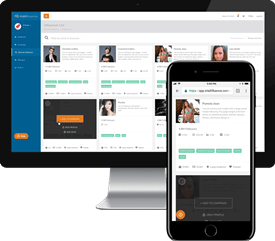
Brands that prefer a marketplace approach rather than building every prospect list from scratch often look at Intellifluence. Instead of relying primarily on large-scale discovery databases, Intellifluence allows brands to publish campaigns and connect with creators who choose to apply, while still offering profile filters, campaign management, messaging, and review workflows. That model can reduce prospecting time for smaller teams or businesses that want to combine inbound creator interest with direct outreach.
If your problem is getting ignored, a creator marketplace can be more powerful than cold prospecting. Aspire says its platform combines creator search with a marketplace of more than 1 million creators plus relationship workflows and ROI tracking. That makes it attractive for brands that want both outbound discovery and inbound applications. The advantage is faster sourcing and a warmer starting point. The drawback is that brands still need a clear brief, good screening, and someone to manage relationships after the applications come in.
If your challenge is campaign operations after the creator says yes, a creator management system is usually the better fit. GRIN leans hard into this side of the workflow. Its product pages highlight email templates and sequences, ecommerce connections for product shipping and discount codes, and workflow tools for payments, contracts, and notifications. That makes it useful for brands that already know roughly who they want to work with and need to centralize communication, approvals, logistics, and reporting. The tradeoff is that a system like this may feel heavier than necessary for a small brand testing its first ten creators.
If revenue tracking matters most, ecommerce linked platforms deserve extra attention. Upfluence emphasizes audience filtering, influential customer identification, and native integrations with systems like Shopify and Klaviyo. Its Shopify integration is built to identify influential customers, simplify gifting, and track sales, while its Klaviyo integration is built to match contacts against influencer profiles and turn customer data into personalized outreach. The benefit is obvious: better attribution and a smarter way to find creators who already know the brand.
The possible drawback is that brands with weaker ecommerce data or a more awareness-driven goal may not use those advantages fully.
There is one more option worth mentioning. Some brands do not really want software first. They want help. Aspire explicitly offers agency services for teams with limited bandwidth. That route can make sense when a company wants results but lacks the staff to source creators, negotiate terms, follow up, and report performance consistently. The upside is speed and support. The downside is usually less day-to-day control and, often, a higher total cost than running outreach in-house.
So what is influencer outreach in practice? It is equal parts research, positioning, and operations. The brands that do it well usually follow the same pattern. They choose creators based on audience fit, not vanity metrics. They write clear, personal messages. They use email as the main engine and DMs as a smart secondary channel. They look first at people who already love the brand. And they pick tools based on their bottleneck, whether that is discovery, inbound creator applications, campaign management, shipping, contracts, or sales tracking. Platforms such as Modash, Aspire, Upfluence, GRIN, and Intellifluence each emphasize different parts of that workflow, so the best fit depends on where your outreach process needs the most support. If you are trying to learn how to do influencer outreach well, that is the real shortcut: stop treating it like a blast campaign and start treating it like relationship building with better data.

SallyBot is committed to helping users get the most out of Intellifluence. By helping brands create campaigns, providing unparalleled customer service and offering useful advice, nothing makes SallyBot happier than hearing she is liked… Really, really liked.