If you scroll through Instagram or TikTok on an average night, you’ll see an endless stream of sizzling pans, golden crusts, rainbow-colored bowls, whipped coffees, and “wait until the end” recipe clips. It’s sensory overload in the best way. But it also proves something: being a food influencer has never been more popular, more saturated, or more competitive. The creators who rise above all that background “food noise” aren’t necessarily the ones with the most advanced equipment or the prettiest countertops. They’re the ones who know exactly who they are, what they stand for, and what sets them apart.
And that begins with something deceptively simple: choosing a niche.
Why Being Specific Is the Secret Ingredient
Food is universal, but content rarely should be. If you try to please every palate—vegan, Paleo, sweet tooth, fine dining, keto, family-friendly, fusion—you’ll dilute yourself into forgettable mush. The creators who build lasting influence, land meaningful sponsorships, and align with discerning brands tend to occupy a very specific culinary lane.
When brands look for ambassadors or creative partners for a food marketing campaign, they’re not scrolling for “general food creators.” They’re looking for someone whose audience, tone, values, and culinary philosophy line up with theirs. A premium knife company will gravitate toward influencers who demonstrate technique. A gourmet chocolate brand wants someone who talks about indulgence through craft. A fitness-oriented food brand looks for creators who pair nutritional insight with taste.
A niche isn’t just a category like “baking.” It’s closer to a personality and worldview. “Rustic sourdough inspired by the old-world traditions of Provence” is a niche. “Plant-based comfort meals adapted from family recipes” is a niche. “Cultural fusion explained through diaspora identity” is very much a niche. When you speak in one clear culinary dialect, people remember you—and brands respect you.
It’s the difference between being one more face in the feed versus being the creator followers automatically think of when they crave the kind of content you make. That clarity becomes a magnet for partnerships in the world of food content marketing.
To see this in action, let’s talk about a few creators who carved out distinctive identities that have resonated so strongly that brands have happily placed their products in their hands.
The Creators Who Chose Their Lanes—and Won
Joshua’s videos are part kitchen class, part comedy show. He elevates food technique, but he does it with levity and swagger. He breaks recipes down with chef-level precision while still cracking deadpan jokes. You walk away believing two things: “I can do this” and “He absolutely knows what he’s doing.”

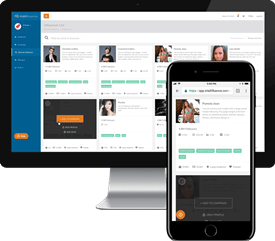
Featured Influencer: Michelle Goth
Hello! I am a food and lifestyle blogger. I would be interested in reviewing products related to food and cooking, parenting, or fitness.
From cookware to equipment brands, Joshua’s partnerships reflect his positioning. Premium tools fit perfectly with a creator who insists on quality. He’s not trying to charm every viewer—just the one who wants to learn and laugh at the same time.
Joanne Lee Molinaro / The Korean Vegan
Calling Joanne a food influencer feels incomplete. She is a memoirist disguised as a cooking instructor. Her videos drift between sauté pans and memories of immigration, family lineage, love, loss, and the complexity of identity. She makes vegan Korean food, yes, but she also makes meaning. That emotional depth earned her collaborations with thoughtful home goods and cooking brands—companies that understood she isn’t just sharing recipes, she’s inviting you into a personal archive.
Jon Kung has built something else entirely: culinary anthropology. His content lives at the crossroads of food science, Chinese diaspora culture, and deeply considered technique. He speaks in a scholarly tone, but without snobbery. He’s curious and reflective, asking viewers to consider where flavor comes from, how dishes evolve from geography, and why representation matters. Naturally, his brand partners include cookware and spice companies that wanted to align with craftsmanship and heritage.
On the other end of the spectrum sits Emily Mariko, who popularized perhaps the most calming food video ever to hit the internet: salmon, rice, ice cube, nori, simple sauces, all folded into a comforting bowl. Emily doesn’t narrate much. She doesn’t have to. The soundscape of chopping, microwaving, and arranging is her script. Minimalist, serene, clean. The aesthetic is her niche, and lifestyle brands have seen the value in that. They love creators who make kitchens look aspirational but unpretentious. Her partnerships have leaned toward well-designed products, efficient cooking helpers, and everyday grocery staples.
Eitan approaches food like a party. His pace is fast, his colors bold, his tone exuberant. He reaches younger audiences that brands are desperate to communicate with, especially large companies seeking food creators who bring a spark. For him, collaborations have spanned major household food names—brands that wanted to tap into his Gen Z energy and enthusiasm.
Each of these creators “does food,” yet none of them resemble the others in voice, mission, or presentation. That’s the power of controlling your niche. It makes you visible in a way that broad content never will.
Choosing Where You Tell Your Story
Once you know your niche, the next question becomes: where should it live? The social platforms that dominate food content all work differently. Understanding their strengths helps creators speak more confidently to brands, especially when pitching marketing ideas for food partnerships.
TikTok
TikTok is speed and immediacy. It’s where a simple ingredient hack can go viral before your coffee gets cold. The quick hit format rewards experimentation—try a recipe concept, test a trend, see what resonates. If you want to prove that your niche can hook attention fast, TikTok is fertile ground. Brands adore that kind of momentum, especially when they’re looking to launch a new food marketing campaign for a product and want to see how creative minds will remix it.
Instagram, by contrast, is visual sculpture. It’s the slow scroll, the elegant plating, the warm lighting, the curated fridge door. Food looks beautiful on Instagram in a way no other platform can quite replicate. Whether you use carousels to break down recipes or Reels to show a crisp time-lapse from prep to plating, Instagram lets you establish tone. That tone is part of your brand identity, and brands look closely at it. How you style a shot, how you frame a dish, how you set a table—these tiny signals reveal who you are.
YouTube
Then you have YouTube, which feels like home for the creators who want to teach rather than just showcase. It’s where you can go deep into the “why.” Why butter matters. Why fermentation works. Why a certain oil smokes faster. YouTube is longevity, seriousness, and craft. For brands, long-form presence reassures them that you can deliver depth, not just novelty.
Blog
There’s one more platform many food creators don’t use nearly enough: their own blog.
Blogs don’t come with an algorithm waiting to smother their reach. They aren’t subject to trends. They can be optimized to perform well in search engines, drawing passive traffic for years. They serve as anchor points for recipes, affiliate links, partnerships, stories, and the parts of your identity that don’t fit in a 30-second clip. If social media is the storefront window, your blog is the restaurant kitchen where everything truly happens. And from a brand’s perspective, that matters. It signals seriousness, professionalism, and business-minded intention.
Many high-performing creators think of their blog as an extension of their pitch deck. It’s a place to house evergreen content tied to sponsored ingredients, culinary education, recipe series, affiliate referrals, seasonal promos, or long-form storytelling. When brands look for creators who can carry a relationship beyond a single post, they pay attention to blog strategy. A blog transforms your platform into a full ecosystem of food content marketing potential.
Expertise: The Ingredient That Deepens Trust
Now let’s talk about skill. A beautifully shot dish is compelling for a few seconds, but knowledge lingers. When you’re able to explain flavor composition, or texture transformation, or why kneading time matters, you step into a category of influencer brands pay attention to. You’re no longer merely demonstrating—you’re teaching.
This is why more food creators are turning toward structured culinary learning. Programs like Le Cordon Bleu Online Learning allow aspiring chefs, bloggers, and content creators to expand their understanding beyond surface-level execution. Getting trained—even partially—in professional kitchen methods adds layers to your credibility: proper knife work, plating principles, international methodologies, flavor pairing, ingredient science.
You don’t have to hold a Michelin star, but having even one formal certification changes the way audiences and brands see you. It tells everyone that you care enough about cooking to learn it rigorously. And when brands launch food marketing campaigns and look for creators who can communicate flavor decisions clearly and accurately, expertise becomes your signature advantage.
Some creators even incorporate their training directly into content. For example: “What I learned from French pastry theory,” or “Applying classical technique to street food.” Education, when delivered casually and conversationally, becomes compelling storytelling.
Because food isn’t just food. It’s technique, culture, history, memory, science.
How Creators Transform Into Brand Partners
The influencers who attract partnerships don’t wait for brands to show up. They build content that practically whispers, “I’m already aligned with you.”
So consider the themes your work repeats. Do you talk about sustainability? Cultural preservation? Wellness? Home cooking that can be done in 20 minutes? Recipes under $5? Baked nostalgia?
When your content continually reinforces a set of ideas, a brand doesn’t have to guess whether you’d fit. They already know.
The influencers who win partnerships tend to present more than “placement shots.” They ideate. They strategize. They design narratives for how a brand can integrate into a meal, a lifestyle, a moment, or a story.
A creator pitching a spice brand might propose a video series exploring lesser-known uses of a signature blend. Someone courting a baking supply company could design a holiday-themed dessert run. The influencer seeking collaboration with a specialty oil maker might craft long-form educational content about frying temperatures, smoke points, and dish pairing.
That’s when creators move from “someone who posts” to “someone who architects campaigns.” Brands notice initiative. They see the difference between a passive ambassador and a partner who genuinely understands marketing ideas for food audiences.
Less Flash, More Heart
Here’s the funny thing: while food content can be dazzling, the creators who last tend to rely less on spectacle and more on meaning. The Korean Vegan’s recipes are simple, but their emotional frame draws you in like a cinematic novel. Emily Mariko’s salmon bowl isn’t complex, but the ritual brings comfort. Joshua Weissman teaches you to make bread, but he does it in such a way that you feel included.
Food is visceral. It touches memory and personality at the same time. When influencer partnerships form around genuine culinary identity, campaigns feel human. And that’s exactly what audiences respond to when they encounter food content marketing in the wild—a sense of honesty and connection.
The Platform Is Just a Tool. You Are the Story.
As platforms evolve, so do expectations. Today’s audience isn’t just saving recipes. They’re saving personalities. They want the person who reminds them of home, inspires them to cook with confidence, or teaches them about their heritage. They want the creator whose videos feel like conversations, not performances.
So ask yourself:
- What do I want people to feel when they watch me cook?
- What piece of myself am I bringing to the table?
- How does my own relationship with food shape what and how I share?
Because that is the lens through which brands see you too.
If you present authenticity, voice, consistency, and depth of perspective, companies will come knocking. They aren’t searching for generic clips of panned chicken sizzling over butter. They are looking for the creator whose content demonstrates a life perspective that naturally intertwines with the food they make.
Your audience—and potential brand partners—should be able to recognize you after three seconds. That is the standard now.
A Final Taste
Food influencers often assume that scale conquers all: more followers, more sponsors. But the reality is softer, and far more strategic. Brands aren’t just trying to “get exposure”—they’re searching for alignment, tone, trust, and personality. They want creators who can speak to food as history, as craft, as culture, as lifestyle, as wellness, as indulgence, as play.
The creators who stand out are the ones who know exactly where they belong in that spectrum, and who build content that stays true to that place. They are niche by design. They are thoughtful in presentation. They pursue knowledge, refine craft, and turn technique into storytelling. They understand that food marketing campaigns aren’t just advertisements—they’re partnerships, built on chemistry and clarity.
Food creators have a massive advantage over almost every other niche. Food is universal. Food is emotional. Food is unforgettable. When you use it as a language rather than a prop, people will remember you. When you build identity instead of noise, brands see you as a strategic ally. And when you chase depth instead of trends, your audience trusts you in a way that no algorithm shift can ever erase.
So, what kind of food creator do you want to be?
And what story are you hungry to tell next?

SallyBot is committed to helping users get the most out of Intellifluence. By helping brands create campaigns, providing unparalleled customer service and offering useful advice, nothing makes SallyBot happier than hearing she is liked… Really, really liked.